It's Opera's Romantic Period!

Updated: Feb 3
Welcome to our course for 2026, and welcome to the 19th century, officially the "Romantic Period" of opera. This is when opera becomes "grand", and grand opera houses are built for grand theatrical events.

"Romantic" may seem an odd title. Those Mozart/Da Ponte operas, in the "classical" period, were surely romantic, filled with real people, their daily doings, their loves and alliances? But before Mozart's death (1791) a new and complex meaning of "romantic" had appeared.
"As the Enlightenment faded in the early 19th century, the inner workings of the human soul ... became a preferred topic of poets, painters, novelists, and musicians of the Western world. Artists discovered a new inspirational beauty behind deeply personal sensations like love, loneliness, rage, and confusion. They increasingly favored the imperfect over the perfect. The wild over the controlled. The heart over the head.
If Classicism ran on a collective commitment to common sense, Romanticism ran on a celebration of sensibility. In fact, Romanticism focused on the trials of the individual, brought on by external or internal forces such as a storm at sea or a storm inside the mind." Lots more here from the Kennedy Centre. (Which features as our home page opera house for this year.)
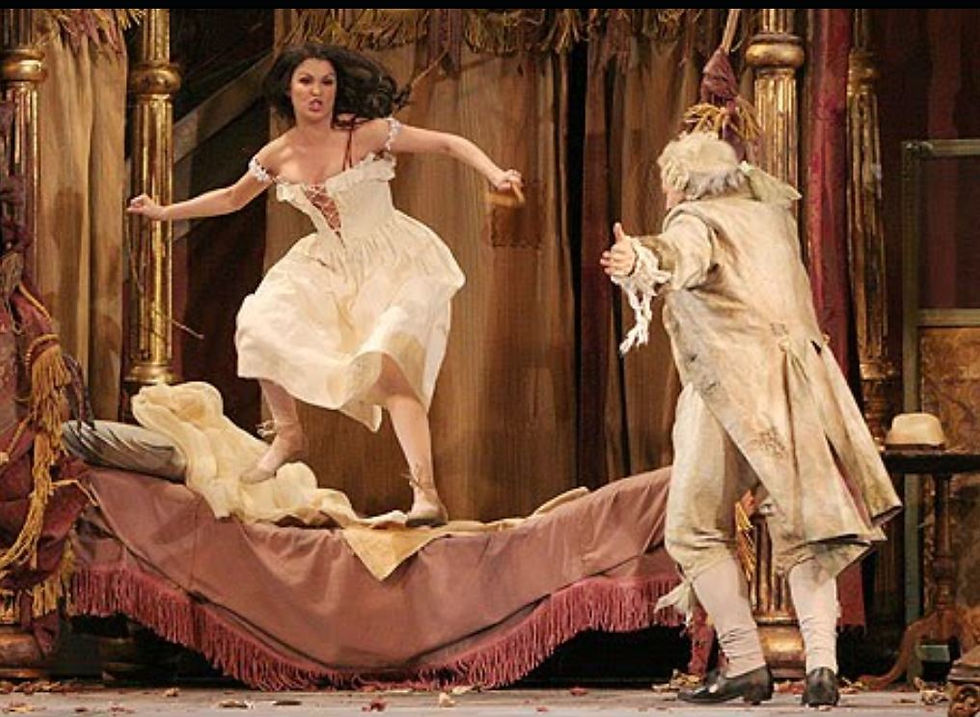
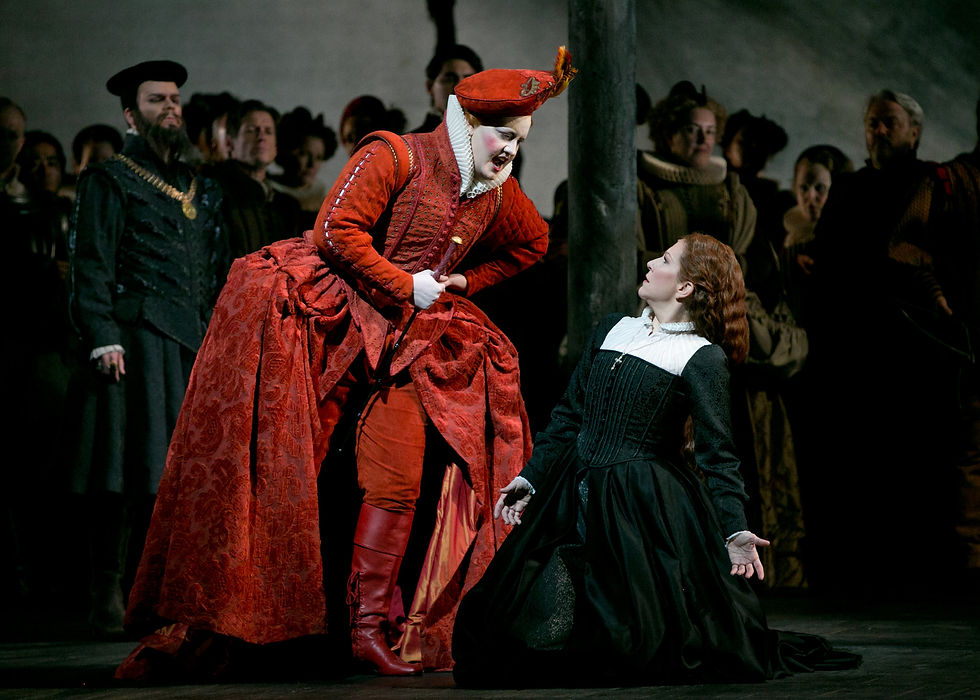
Much happened in the first half of the nineteenth century, our focus for this term. Operas changed in several ways. This is when we get "grand opéra", grand in the sense of big - big plots, big topics, big and extraordinary sets, and big music from big orchestras. Big stages for splendid sets (here are two recent productions of Bellini's Norma.)


Unsurprisingly, the musical forms changed too - arias were a different shape, and especially in Italy, the operas were expected to show the brilliance of "bel canto" - literally beautiful singing, but in this context singing displaying increasingly wondrous range and pace of performance as the demands on singers became the selling point of opera. Here the priestess Norma leads her people in a prayer for peace, "Casta diva".
For easy listening and mapping of this period, there are many YouTube presentations. This intro covers historical contexts. Or this course!
And in this period, opera developed dramatically differently in the different European countries, reflecting their different social and political dramas. We'll explore these national differences in the weeks to come. This is the arrival of bel canto operas - (we'll get to Italy, and to Bellini, next term. ) And of operas departing the themes of myths and legends, to focus on nationalistic stories. We will start the term, as almost all commentators see the Romantic Period of opera starting, with a German work. We'll get to Meyerbeer later. On 20 November 1805, in Vienna, Beethoven's Fidelio premiered.

Lyn, 29/1/26
Comments